
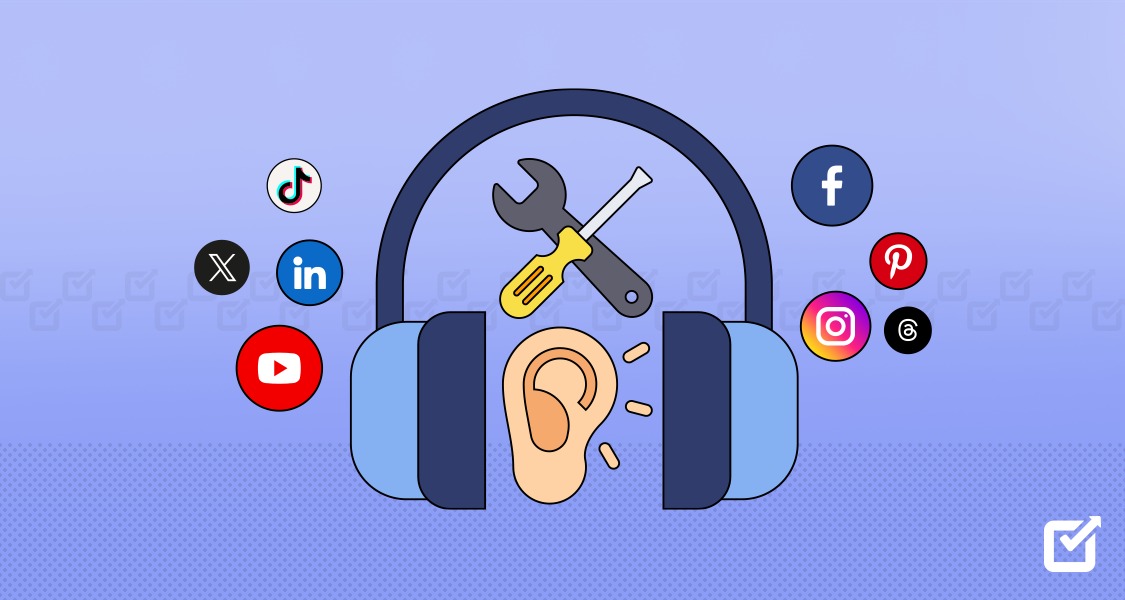
Right now, conversations about your brand are happening everywhere—on X, buried in Reddit threads, inside LinkedIn comments, and even in private Slack groups you may not know exist. The real question is: are you paying attention?
Social media listening tools help SaaS companies capture these conversations, interpret sentiment, and transform raw chatter into actionable insights. From shaping product decisions to refining positioning and staying ahead of competitors, these tools have become essential.
This guide explores the 10 best social listening platforms for SaaS in 2026, including what they’re best at, how much they cost, and where they fall short.
What You’ll Learn
In this guide, you’ll discover:
-
What social media listening actually means (and how it differs from monitoring)
-
Why SaaS businesses rely on it for growth and strategy
-
Key factors to consider when selecting a tool
-
A curated list of the top 10 platforms, including free and paid options
-
A quick comparison to help you decide faster
Quick Takeaways
-
Social listening goes beyond counting mentions—it uncovers insights behind conversations
-
Leading tools include all-in-one platforms, enterprise-grade solutions, and budget-friendly options
-
Critical features to evaluate include sentiment accuracy, alert speed, and integrations
-
Monitoring tells you what is happening; listening explains why it matters
What is Social Media Listening?
Social media listening involves tracking conversations about your brand, competitors, and industry across platforms like X, LinkedIn, Reddit, blogs, forums, and news outlets.
But it doesn’t stop at tracking. These tools analyze conversations to reveal deeper insights, such as sentiment, intent, and emerging trends.
Key Capabilities:
-
Brand tracking: Monitor mentions of your company, product, or competitors
-
Sentiment analysis: Identify whether conversations are positive, negative, or neutral
-
Trend detection: Spot emerging topics before they go mainstream
-
Audience insights: Understand how your customers speak, think, and feel
Unlike basic tracking, social listening answers a more meaningful question:
Why SaaS Companies Invest in Social Listening
For SaaS teams, social listening isn’t just a “nice-to-have”—it’s a competitive advantage that directly impacts growth and decision-making.
1. Improve Messaging with Real Customer Language
Social listening reveals how users describe their problems in their own words. This “voice of customer” insight helps refine your messaging, landing pages, and campaigns.
2. Monitor Competitors and Market Share
You can track how often competitors are mentioned, analyze audience reactions, and measure your share of voice—a key indicator of brand visibility in your market.
3. Protect Your Brand in Real Time
With instant alerts, you can respond quickly to negative sentiment or potential PR issues before they escalate.
4. Identify Trends Early
By following discussions across communities and influencers, SaaS teams can detect trends early and act faster than competitors.
5. Turn Feedback into Product Improvements
Social platforms are full of unfiltered user feedback—feature requests, complaints, and creative workarounds. Listening tools help convert this into actionable product insights.
Social Listening vs Social Monitoring
Although often confused, these two serve different purposes:
| Aspect | Social Monitoring | Social Listening |
|---|---|---|
| Focus | Tracking mentions and engagement | Understanding meaning and sentiment |
| Output | Metrics and alerts | Insights and strategy |
| Key Question | “How often are we mentioned?” | “Why are people talking about us?” |
| Use Case | Community management | Strategy and positioning |
In short:
Monitoring collects data. Listening interprets it.
How to Choose the Right Social Listening Tool
Selecting the right platform depends on your goals, budget, and tech stack. Here are the key factors to evaluate:
1. Platform Coverage
Ensure the tool tracks relevant channels like LinkedIn, Reddit, and review platforms such as G2 or Capterra—especially important for SaaS.
2. Sentiment Accuracy
Modern tools use AI to classify sentiment, but accuracy isn’t perfect. Test this feature during trials to avoid misleading insights.
3. Real-Time Alerts
Speed matters. Instant notifications can help you respond to issues or opportunities before they grow.
4. Integrations
The best tools connect seamlessly with your CRM (like Salesforce or HubSpot), Slack, and marketing automation platforms—so insights turn into action.
5. Reporting and Dashboards
Look for intuitive dashboards, customizable reports, and clear visualizations that make it easy to share insights with stakeholders.
6. Pricing and Scalability
Costs can vary based on users, keywords, or data volume. Choose a solution that scales with your growth without becoming cost-prohibitive.
Final Thoughts
In 2026, social media listening is no longer optional for SaaS companies—it’s a strategic necessity.
The right tool doesn’t just tell you what’s being said. It helps you understand your customers, anticipate trends, and make smarter decisions across marketing, product, and growth.
If you’re not listening, you’re missing out on insights your competitors are already using.