
A strong academic framework is the foundation of every successful school. It provides the structure, strategies, and standards that guide teaching, learning, and student development. While modern education extends beyond textbooks and examinations, academic excellence remains a key goal for schools striving to prepare students for higher education, careers, and lifelong learning.
Top-performing schools consistently achieve outstanding results not by chance but through carefully designed academic frameworks. These frameworks integrate a well-planned curriculum, skilled teachers, innovative teaching methods, continuous assessment, and a supportive learning environment. Together, these elements create an educational experience that helps every student reach their full potential.
In this article, we explore how leading schools build strong academic frameworks and why these practices contribute to long-term student success.
What Is an Academic Framework?
An academic framework is a structured approach that defines how a school delivers education. It includes the curriculum, teaching methodologies, assessment systems, learning resources, and policies that ensure students receive a consistent and high-quality education.
A well-designed academic framework helps schools:
- Set clear learning objectives
- Maintain consistent teaching standards
- Track student progress
- Encourage critical thinking
- Support holistic development
- Prepare students for future academic and professional challenges
Rather than focusing solely on examinations, modern academic frameworks aim to develop well-rounded individuals equipped with knowledge, skills, and values.
A Well-Designed Curriculum
The curriculum is the backbone of any academic framework. Top schools create curricula that align with national or international educational standards while remaining flexible enough to meet the diverse needs of students.
An effective curriculum should:
- Cover core subjects comprehensively
- Encourage interdisciplinary learning
- Include practical applications
- Foster creativity and innovation
- Promote problem-solving skills
- Develop communication abilities
Many leading schools also incorporate project-based learning, research activities, and experiential education to make learning more engaging and meaningful.
Highly Qualified and Continuous Teacher Development
Teachers play a central role in delivering quality education. Top schools invest heavily in recruiting qualified educators and providing ongoing professional development.
Continuous teacher training helps educators:
- Stay updated with modern teaching methods
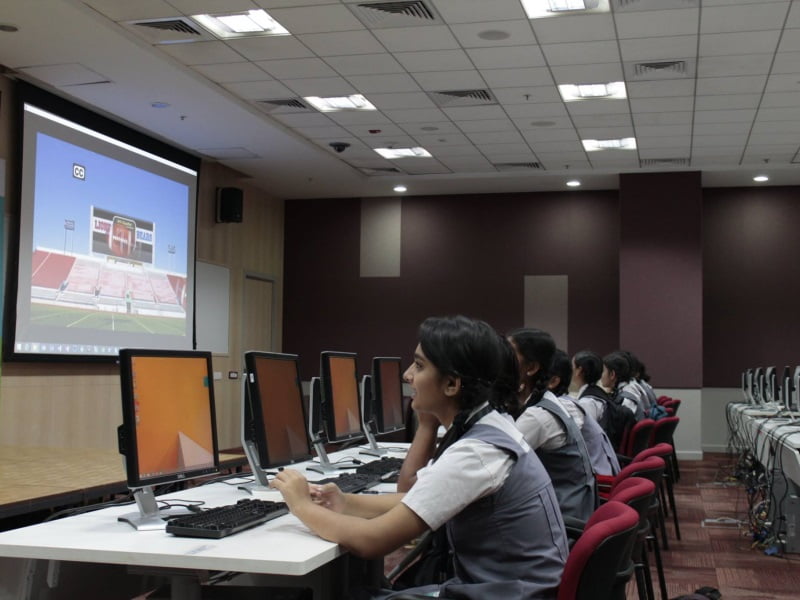
- Integrate technology into classrooms
- Improve classroom management
- Understand diverse learning needs
- Adopt innovative assessment techniques
Professional development programs, workshops, and peer collaboration ensure teachers continue refining their skills throughout their careers.
Student-Centered Learning
Leading schools increasingly adopt student-centered teaching approaches that encourage active participation rather than passive memorization.
Student-centered classrooms often include:
- Group discussions
- Collaborative projects
- Case studies
- Hands-on experiments
- Inquiry-based learning
- Problem-solving activities
This approach allows students to take ownership of their learning while developing confidence, independence, and critical thinking skills.
Effective Assessment Systems
Assessment is more than assigning grades. Strong academic frameworks use a variety of evaluation methods to measure student understanding and identify areas for improvement.
Common assessment methods include:
- Written examinations
- Classroom quizzes
- Practical assignments
- Presentations
- Research projects
- Group activities
- Continuous assessments
Regular feedback helps students understand their strengths and address weaknesses before major examinations.
Integration of Technology
Technology has transformed modern education by making learning more interactive and accessible.
Top schools integrate digital tools such as:
- Smart classrooms
- Learning management systems
- Educational software
- Virtual laboratories
- Online assessments
- Interactive simulations
Technology enables personalized learning experiences while helping teachers monitor student progress more effectively.
Encouraging Critical Thinking and Creativity
Academic success today requires more than memorizing information. Schools with strong academic frameworks encourage students to analyze, evaluate, and apply knowledge in real-world situations.
Activities that promote higher-order thinking include:
- Debate competitions
- Science fairs
- Coding projects
- Design challenges
- Research assignments
- Creative writing
These opportunities help students develop innovation, adaptability, and independent thinking.
Personalized Learning Support
Every student learns differently. Top schools recognize this by offering individualized academic support.
Personalized learning may include:
- Small-group instruction
- Academic mentoring
- Remedial classes
- Enrichment programs
- Individual learning plans
- Counseling services
By addressing each student’s unique learning needs, schools create an inclusive environment where every learner has the opportunity to succeed.
Strong Leadership and Academic Planning
Effective school leadership plays a crucial role in maintaining academic excellence. Principals and academic coordinators work closely with teachers to ensure educational goals are consistently achieved.
Strong leadership involves:
- Setting academic standards
- Monitoring curriculum implementation
- Supporting teacher development
- Encouraging innovation
- Evaluating student performance
- Promoting continuous improvement
Clear leadership helps create a culture of accountability and excellence.
Focus on Holistic Development
Top schools understand that academic achievement is only one aspect of student success. Strong academic frameworks also promote personal growth through extracurricular activities.
Students are encouraged to participate in:
- Sports
- Music
- Drama
- Community service
- Leadership programs
- Art and design
- Clubs and competitions
These experiences develop teamwork, communication, resilience, and emotional intelligence alongside academic knowledge.
Building Strong Parent-School Partnerships
Successful schools actively involve parents in the educational process.
Effective parent engagement includes:
- Regular parent-teacher meetings
- Progress reports
- Academic workshops
- School events
- Open communication channels
Collaboration between parents and educators helps create a supportive learning environment that benefits students both at school and at home.
Continuous Improvement Through Data
Leading schools use academic data to improve teaching strategies and student outcomes.
They analyze:
- Examination results
- Attendance records
- Classroom performance
- Student feedback
- Teacher evaluations
This information helps identify trends, address learning gaps, and refine educational practices over time.
Creating a Positive Learning Environment
Students perform best when they feel safe, respected, and motivated.
Top schools foster positive learning environments by:
- Encouraging inclusivity
- Promoting mutual respect
- Maintaining classroom discipline
- Supporting student well-being
- Celebrating achievements
A positive school culture enhances both academic performance and personal development.
Preparing Students for the Future
Modern academic frameworks prepare students for a rapidly changing world by emphasizing future-ready skills.
These include:
- Digital literacy
- Communication skills
- Collaboration
- Adaptability
- Financial literacy
- Global awareness
- Ethical decision-making
By combining strong academics with practical life skills, schools equip students to thrive in higher education and future careers.
Conclusion
Building a strong academic framework requires thoughtful planning, dedicated educators, innovative teaching methods, and a commitment to continuous improvement. Top schools achieve lasting success by creating structured learning environments that balance academic rigor with creativity, technology, and holistic student development. From designing a comprehensive curriculum and investing in teacher training to embracing personalized learning and fostering parent partnerships, every element contributes to a well-rounded educational experience.
As the demands of the modern world continue to evolve, schools must adapt their academic frameworks to prepare students not only for examinations but also for lifelong learning and responsible citizenship. By focusing on both knowledge and essential life skills, top schools empower students to become confident, capable, and compassionate individuals ready to meet the challenges of the future.