
What Are Social Media Algorithms?
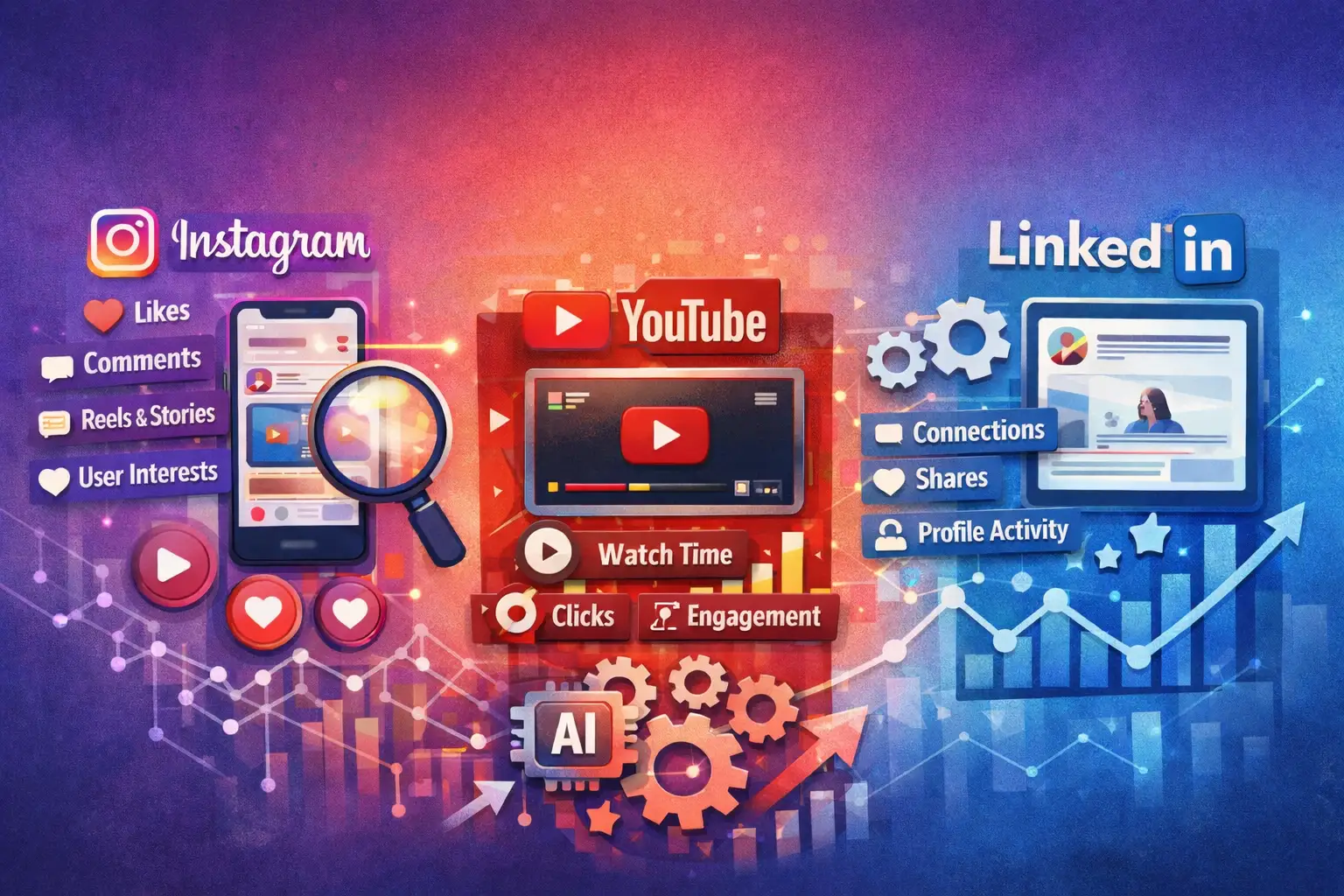
Social media algorithms are the invisible systems that decide what content appears on your screen—and in what order. They rely on a mix of rules, ranking signals, and machine learning models to prioritize posts based on relevance and user behavior.
In 2026, these algorithms are deeply powered by AI. They analyze how people interact with content and continuously adapt, shaping the 2+ hours users spend on social platforms every day.
Back in the early 2000s, feeds were simple and chronological—newest posts first. But as platforms grew, this approach couldn’t keep up. Today, algorithms curate personalized feeds, ensuring no two users experience the same content stream.
While most platforms rely on algorithmic ranking, some—like Bluesky—still offer a chronological-first experience, with others (like Instagram, Facebook, and X) providing it as an option.
How Social Media Algorithms Actually Work
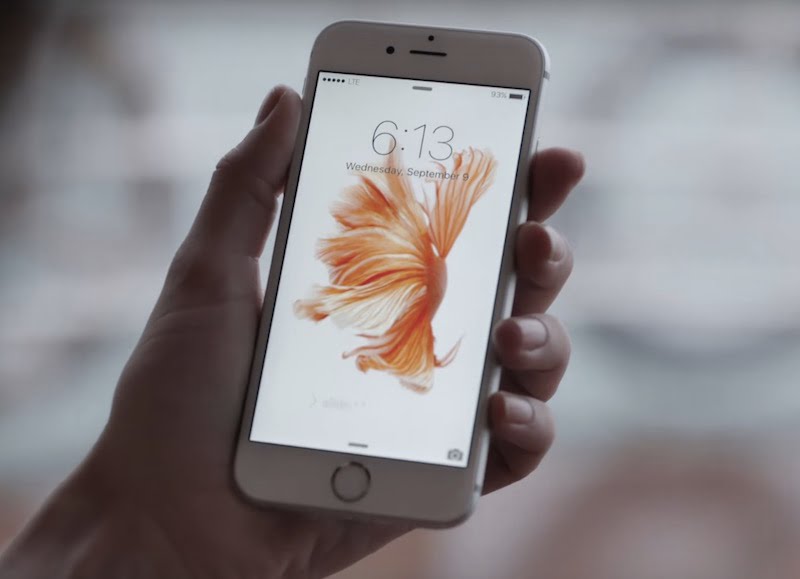
Imagine you watch several cooking videos on Instagram all the way through. The platform takes note—your watch time, past interactions, and interests—and begins recommending more food-related content.
Meanwhile, someone else who prefers travel content will see a completely different feed.
That’s the essence of modern algorithms: personalization at scale.
Key Terms You Should Know
- Ranking Signals: Data points (likes, watch time, shares, etc.) used to evaluate content relevance.
- Machine Learning: AI systems that learn from data patterns and improve over time without manual programming.
- Artificial Intelligence (AI): Technology that mimics human decision-making and powers automation at scale.
What Signals Do Algorithms Use in 2026?
Although every platform is different, most rely on similar categories of signals:
1. Engagement Metrics
- Watch time (especially for video)
- Likes, comments, and shares
- Engagement rate (interactions vs. views)
- Share and save frequency
2. Relevance & Personalization
- User interests and past behavior
- Location and language
- Keywords and hashtags
- Accounts you follow and interact with
3. Platform Priorities
- Preferred content formats (like Reels or short videos)
- Ad performance and monetization signals
- Trending topics and viral patterns
4. Content Quality & Trends
- Compliance with platform guidelines
- Format optimization (size, length, clarity)
- Alignment with current trends
How Major Platforms Rank Content in 2026
Here’s a snapshot of what matters most across the top networks:
- Instagram: Watch time, likes, shares (Reels & carousels dominate)
- Facebook: Engagement predictions and personal connections
- TikTok: Watch time, user activity, and trends
- LinkedIn: Content quality and early engagement
- YouTube: Watch time, relevance, and viewer behavior
- X (Twitter): Recency, connections, and interactions
- Threads: Engagement likelihood and time spent
- Pinterest: Visual similarity and saves
- Bluesky: User-controlled algorithms and communities
- Reddit: Upvotes, comments, and discussion quality
Platform Highlights
Instagram focuses heavily on watch time, likes, and shares, with different ranking logic for followers vs. new audiences. Content is filtered, scored, and ranked using AI predictions before appearing in feeds, Reels, Stories, or Explore.
Facebook prioritizes posts from friends, groups, and pages you interact with, ranking them based on predicted engagement and relevance.
TikTok
TikTok’s “For You Page” is built around behavioral signals, including watch time, interactions, and trending sounds or topics.
LinkedIn emphasizes professional relevance and meaningful engagement, especially within the first hour after posting.
YouTube
YouTube recommendations are driven by watch history, session behavior, and video performance, alongside strong SEO elements like titles and thumbnails.
Pinterest uses advanced visual recognition to recommend content based on image similarity and saved Pins.
Reddit’s ranking depends on community interaction—upvotes, comments, and how recent a post is within a subreddit.
Bluesky
Bluesky stands out by letting users choose or build their own algorithms, creating a customizable feed experience.
How to Win the Algorithm in 2026
Understanding algorithms is only step one—execution is what drives results. Here’s how to maximize your reach:
Focus on Engagement
Content that sparks conversation, shares, and saves will always outperform passive posts.
Use Smart Keywords & Hashtags
Social search is rising fast, especially among Gen Z. Optimize captions, bios, and alt text.
Stay Consistent
Posting regularly signals activity and reliability to algorithms.
Match the Platform Format
Short videos for TikTok, Reels for Instagram, and text posts for LinkedIn or Threads—format matters.
Build Real Connections
Reply to comments, engage with others, and create conversations—not just content.
Test Text-Based Platforms
Platforms like X, Threads, and Bluesky reward strong writing and discussion.
Jump on New Features Early
Algorithms often boost new tools to encourage adoption.
Leverage Video
Video remains the most powerful format across almost all platforms.
Track Performance
Use analytics to refine what works—and double down on it.
Scale with AI
AI tools can help maintain consistency while freeing up time for creative strategy.
Final Takeaway
Social media in 2026 is no longer about broadcasting—it’s about relevance, interaction, and personalization. Algorithms reward content that keeps people engaged, entertained, or informed.
If you want to grow, stop chasing the algorithm—and start understanding what it values.